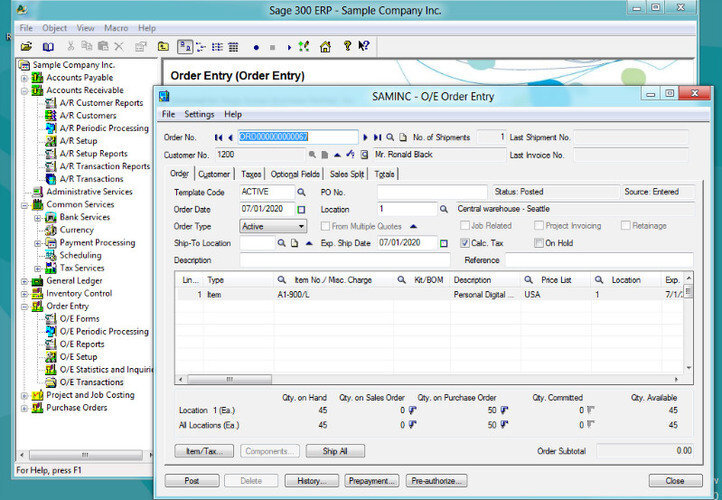
Welcome to the comprehensive overview of ERP5 with this Sage 300 ERP demo! Whether you are new to enterprise resource planning (ERP) systems or looking to upgrade your current software, this demo will take you through the key features and functionalities of ERP5 with Sage 300. From financial management to inventory control, this ERP solution offers a wide range of tools to streamline your business operations and improve overall efficiency. Let’s dive into the world of ERP5 and discover how it can benefit your organization.
Overview of Sage 300 ERP
Sage 300 ERP, formerly known as Sage Accpac, is a robust and comprehensive business management solution designed to help companies streamline their operations and increase efficiency. With its powerful suite of modules, Sage 300 ERP offers a wide range of functionalities to support various business processes, including accounting, financial management, inventory management, and customer relationship management.
One of the key features of Sage 300 ERP is its scalability. Whether you are a small business looking to upgrade your accounting system or a large enterprise with complex operational requirements, Sage 300 ERP can easily adapt to meet your needs. The system is highly customizable, allowing users to tailor the software to their specific requirements and integrate it seamlessly with other business applications.
Another advantage of Sage 300 ERP is its advanced reporting capabilities. The system provides a variety of predefined reports and dashboards that offer real-time insights into key business metrics, enabling users to make informed decisions and drive performance improvement. In addition, Sage 300 ERP allows users to create custom reports and analyses, providing greater flexibility in reporting and analysis.
Sage 300 ERP also offers a user-friendly interface that is intuitive and easy to navigate, making it simple for users to access the information they need quickly. The system is designed to be user-friendly and requires minimal training, reducing the time and resources required for implementation. Additionally, Sage 300 ERP is cloud-enabled, allowing users to access the system from anywhere, at any time, ensuring maximum flexibility and convenience.
Furthermore, Sage 300 ERP is known for its strong security features, providing robust protection against unauthorized access and data breaches. The system offers role-based security settings, ensuring that users only have access to the information and functionality relevant to their role in the organization. Additionally, Sage 300 ERP encrypts data transmission and storage, helping to safeguard sensitive information and ensure compliance with data protection regulations.
Overall, Sage 300 ERP is a comprehensive and flexible business management solution that can help companies streamline their operations, improve efficiency, and drive growth. With its scalability, advanced reporting capabilities, user-friendly interface, and strong security features, Sage 300 ERP is a valuable tool for businesses of all sizes looking to optimize their operations and achieve their strategic objectives.
Features and Capabilities of Sage 300 ERP
Sage 300 ERP, formerly known as Sage ERP Accpac, is a comprehensive business management solution designed to streamline operations, improve productivity, and drive growth for businesses of all sizes. This powerful software offers a wide range of features and capabilities that can help businesses manage their finances, streamline operations, and make informed decisions.
One of the key features of Sage 300 ERP is its robust financial management capabilities. The software allows businesses to easily track and manage their finances, including accounts payable, accounts receivable, general ledger, and more. With Sage 300 ERP, businesses can automate financial processes, reduce errors, and improve accuracy in financial reporting.
In addition to financial management, Sage 300 ERP also offers powerful inventory management capabilities. Businesses can easily track stock levels, manage reorder points, and optimize inventory levels to reduce carrying costs and improve cash flow. With real-time visibility into inventory levels and trends, businesses can make informed decisions to better manage their supply chain and reduce stockouts.
Another key feature of Sage 300 ERP is its robust reporting and analytics capabilities. The software offers a wide range of pre-built reports and dashboards that provide businesses with valuable insights into their operations. With customizable reporting tools, businesses can easily track key performance indicators, identify trends, and make data-driven decisions to drive growth and profitability.
Sage 300 ERP also offers powerful CRM capabilities that help businesses manage customer relationships and drive sales growth. The software allows businesses to track customer interactions, manage leads and opportunities, and provide personalized service to customers. With integrated CRM tools, businesses can improve customer satisfaction, increase sales, and build long-lasting customer relationships.
One of the unique features of Sage 300 ERP is its multi-currency and multi-language support. This allows businesses to easily manage transactions in multiple currencies and languages, making it an ideal solution for businesses with international operations. With multi-currency support, businesses can simplify their global transactions, reduce currency exchange costs, and improve accuracy in financial reporting.
Overall, Sage 300 ERP is a comprehensive business management solution that offers a wide range of features and capabilities to help businesses streamline operations, improve productivity, and drive growth. Whether you are a small business looking to automate financial processes or a large enterprise with complex inventory management needs, Sage 300 ERP has the tools and resources to help you succeed.
Benefits of Using Sage 300 ERP
When it comes to managing a business, having an efficient Enterprise Resource Planning (ERP) system in place can make a world of difference. Sage 300 ERP is one such system that offers a wide range of benefits to businesses of all sizes. From streamlining processes to improving decision-making, here are some of the key benefits of using Sage 300 ERP:
1. Streamlined Business Processes: One of the main benefits of using Sage 300 ERP is that it helps streamline business processes. By automating tasks such as accounting, inventory management, and order processing, Sage 300 ERP can help businesses operate more efficiently. This not only saves time and money but also allows for better resource allocation and improved productivity.
2. Improved Decision-Making: Another key benefit of using Sage 300 ERP is that it provides businesses with real-time insights into their operations. By consolidating data from different departments and presenting it in a clear and organized manner, Sage 300 ERP makes it easier for decision-makers to analyze information and make informed decisions. This can lead to better strategic planning, improved forecasting, and ultimately, increased profitability.
3. Enhanced Customer Service: When businesses use Sage 300 ERP, they can provide their customers with a higher level of service. By having access to accurate and up-to-date information, customer service representatives can quickly address inquiries and resolve issues. Additionally, Sage 300 ERP allows businesses to track customer interactions and preferences, enabling them to provide more personalized and targeted services. This can result in increased customer satisfaction and loyalty.
4. Increased Efficiency and Productivity: Sage 300 ERP is designed to streamline workflows and automate repetitive tasks, which can significantly boost efficiency and productivity. By reducing manual data entry and eliminating errors, businesses can operate more smoothly and achieve better results in less time. Additionally, Sage 300 ERP provides tools for analyzing performance and identifying areas for improvement, allowing businesses to optimize their processes and maximize their output.
5. Cost Savings: Implementing Sage 300 ERP can lead to cost savings in various ways. By streamlining processes and improving efficiency, businesses can reduce operational costs and minimize waste. Additionally, Sage 300 ERP can help businesses avoid costly errors and penalties by ensuring compliance with regulations and industry standards. Moreover, by providing a comprehensive view of the business, Sage 300 ERP can help businesses identify cost-saving opportunities and make more informed financial decisions.
In conclusion, using Sage 300 ERP offers a wide range of benefits for businesses looking to streamline their operations, improve decision-making, enhance customer service, increase efficiency and productivity, and achieve cost savings. By leveraging the power of Sage 300 ERP, businesses can gain a competitive edge in today’s dynamic market and position themselves for long-term success.
Sage 300 ERP Demo Walkthrough
When you request a Sage 300 ERP demo, you are opening the door to a world of possibilities for your business. The demo is designed to give you a firsthand look at how the software works and how it can benefit your organization. Here is a walkthrough of what you can expect during a Sage 300 ERP demo:
1. Introduction: The demo usually starts with an introduction to the Sage 300 ERP software and its key features. The presenter will explain how Sage 300 ERP can help streamline your business processes, improve efficiency, and drive growth.
2. Navigation: Next, you will be given a tour of the Sage 300 ERP interface. The presenter will show you how to navigate the different modules and features of the software, making sure you understand how to access the information you need quickly and easily.
3. Feature demonstration: The presenter will then demonstrate some of the key features of Sage 300 ERP. This may include modules such as accounting, inventory management, sales, and reporting. You will see firsthand how the software can help you manage your finances, track inventory, monitor sales performance, and generate valuable reports for decision-making.
4. Customization options: One of the great things about Sage 300 ERP is its flexibility and customizability. During the demo, the presenter will show you how you can tailor the software to meet the specific needs of your business. This may include customizing reports, setting up user permissions, defining workflows, and integrating third-party applications.
5. Q&A session: Towards the end of the demo, you will have the opportunity to ask any questions you may have about Sage 300 ERP. The presenter will be there to address your concerns and provide further clarification on how the software can benefit your business.
6. Next steps: Finally, the presenter will discuss the next steps in the process, which may include pricing information, implementation timelines, and support options. They will also offer guidance on how to proceed if you are interested in moving forward with Sage 300 ERP.
Overall, a Sage 300 ERP demo is a great way to see the software in action and understand how it can transform your business processes. Whether you are looking to improve efficiency, increase productivity, or drive growth, Sage 300 ERP has the tools and features to help you succeed.
How to Get Started with Sage 300 ERP
Getting started with Sage 300 ERP is an exciting process that can help streamline your business operations and increase productivity. Here are some steps to help you get started with Sage 300 ERP:
1. Research and Select the Right Version: Before diving into Sage 300 ERP, it’s important to research and select the right version for your business needs. There are different versions available, so make sure to choose the one that best fits your requirements.
2. Attend a Sage 300 ERP Demo: Attending a Sage 300 ERP demo is a great way to get a firsthand look at the software and see how it can benefit your business. Demos are typically free and can help you understand the features and functionalities of Sage 300 ERP.
3. Set Up a Consultation: Once you have selected the right version of Sage 300 ERP for your business, it’s time to set up a consultation with a Sage 300 ERP expert. They can help you with the implementation process and provide guidance on how to get started with the software.
4. Customize the Software: One of the key benefits of Sage 300 ERP is its customizable features. Take the time to customize the software to fit your business needs and preferences. This can include setting up user permissions, customizing reports, and creating dashboards.
5. Train Your Team: Training your team on how to use Sage 300 ERP is crucial for a successful implementation. Make sure to invest time and resources in training sessions to ensure that your team is comfortable using the software. You can also provide resources such as user manuals and online tutorials to help them navigate the software.
By following these steps, you can effectively get started with Sage 300 ERP and take advantage of its many benefits for your business.