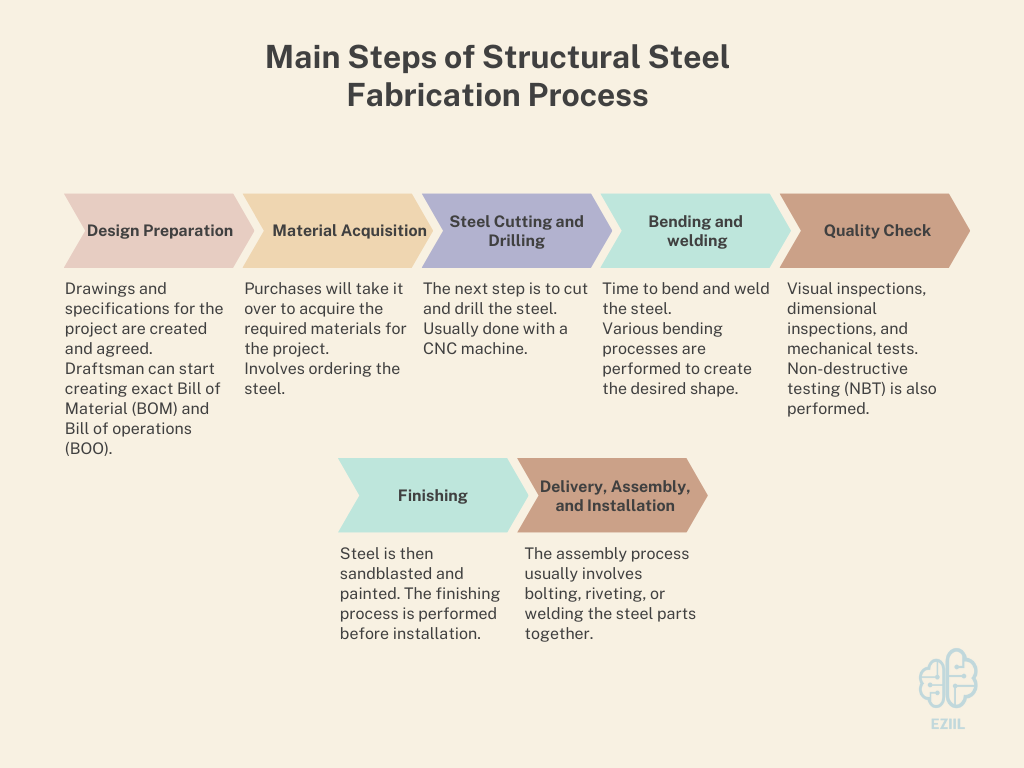
Welcome to the world of steel fabrication and efficiency. In today’s fast-paced industry, it’s crucial for businesses to streamline their processes in order to stay competitive. One tool that has revolutionized the way steel fabrication companies operate is ERP5 software. By integrating this advanced software into their operations, businesses can improve productivity, reduce waste, and ultimately boost their bottom line. Let’s explore how ERP5 software is transforming the steel fabrication industry.
Overview of Steel Fabrication ERP Software
Steel fabrication ERP software is a specialized solution designed to meet the unique needs of the steel fabrication industry. It helps streamline processes, improve efficiency, and enhance overall productivity for companies that work in this sector. This type of software is specifically tailored to handle the complexities of steel fabrication, such as managing inventory, tracking orders, scheduling production, and handling logistics.
One of the key features of steel fabrication ERP software is its ability to integrate different aspects of the business into a single, unified platform. This means that all departments within a steel fabrication company – from sales and marketing to production and shipping – can work together seamlessly and access the same set of data. This integration not only improves communication and collaboration but also helps reduce errors and duplication of work.
Another important aspect of steel fabrication ERP software is its advanced reporting and analytics capabilities. With this software, companies can generate detailed reports on various aspects of their business, such as sales performance, production efficiency, inventory levels, and financial health. These reports provide valuable insights that can help management make informed decisions and identify areas for improvement.
Furthermore, steel fabrication ERP software offers robust inventory management features that allow companies to track their raw materials, work-in-progress items, and finished products in real-time. This helps ensure that the right materials are available when needed, minimizes wastage, and optimizes inventory levels to reduce carrying costs.
In addition to these core features, steel fabrication ERP software often includes modules for project management, quality control, customer relationship management, and supply chain management. These modules help companies streamline their operations, improve customer satisfaction, and stay competitive in the fast-paced steel fabrication industry.
Overall, steel fabrication ERP software is a comprehensive solution that can help steel fabrication companies improve their operational efficiency, reduce costs, and increase profitability. By providing real-time visibility into all aspects of the business, automating manual processes, and facilitating better decision-making, this software can give companies a competitive edge in the market.
Key Features and Benefits of Steel Fabrication ERP Software
Steel fabrication ERP software is a specialized tool designed to streamline and optimize the operations of steel fabrication businesses. This type of software comes with a wide range of key features that are tailored to meet the unique needs of the steel fabrication industry. Let’s take a closer look at some of the key features and benefits of steel fabrication ERP software.
One of the key features of steel fabrication ERP software is inventory management. This software allows steel fabrication businesses to keep track of their inventory in real time, ensuring that they always have the right materials on hand to complete their projects. With inventory management features, businesses can avoid overstocking on materials and reduce the risk of running out of essential supplies.
In addition to inventory management, steel fabrication ERP software also offers powerful project management tools. These tools allow businesses to track the progress of their projects, assign tasks to team members, and set deadlines for completion. With project management features, businesses can ensure that their projects are completed on time and within budget.
Another key feature of steel fabrication ERP software is customer relationship management (CRM). This feature allows businesses to track and manage their interactions with customers, helping them to build and maintain strong relationships. CRM features can also help businesses to identify new sales opportunities and drive growth.
One of the major benefits of using steel fabrication ERP software is improved efficiency. By streamlining processes and automating tasks, this software can help businesses to reduce manual errors, eliminate duplication of work, and increase productivity. With improved efficiency, businesses can complete projects faster and more cost-effectively.
Steel fabrication ERP software also offers improved visibility into business operations. With real-time reporting and analytics, businesses can gain insights into their performance, identify areas for improvement, and make more informed decisions. This visibility can help businesses to stay ahead of the competition and drive growth.
Furthermore, steel fabrication ERP software can help businesses to adapt to changing market conditions and customer demands. With flexible features and customizable options, businesses can easily adjust their processes and workflows to meet evolving needs. This agility can help businesses to stay competitive and successful in a dynamic industry.
In conclusion, steel fabrication ERP software offers a wide range of key features and benefits that can help businesses to improve efficiency, streamline operations, and achieve success. By investing in this specialized software, steel fabrication businesses can gain a competitive edge and drive growth in a challenging industry.
Implementation and Training for Steel Fabrication ERP Software
Implementing a steel fabrication ERP software can be a game-changer for a steel fabrication business, but it is important to approach the implementation process with care and attention to detail. The first step in implementing a new ERP system is to assess the needs of your business and choose a software solution that suits those needs. Once you have selected the right software, the next step is to plan out the implementation process.
During the implementation process, it is important to allocate enough time and resources to ensure that the software is set up properly and that all staff members are trained on how to use it effectively. This may involve working closely with the software provider to customize the system to meet the specific needs of your business. It is also essential to communicate with all staff members about the changes that are taking place and provide them with the appropriate training to ensure a smooth transition.
Training is a key part of the implementation process for steel fabrication ERP software. Training should be provided to all staff members who will be using the system, from management to shop floor workers. The training should be tailored to the specific needs of each role within the business, ensuring that staff members are equipped with the knowledge and skills they need to use the software effectively.
There are several different ways to provide training for steel fabrication ERP software, including in-person training sessions, online training modules, and one-on-one coaching. The best approach will depend on the size and structure of your business, as well as the learning styles of your staff members. It is important to provide ongoing support and resources for staff members after the initial training period, to ensure that they continue to feel confident using the software.
In conclusion, implementing and training for steel fabrication ERP software is a crucial step in modernizing and streamlining your steel fabrication business. By taking the time to carefully plan out the implementation process and provide effective training for all staff members, you can ensure that your business is well-equipped to take full advantage of the benefits that an ERP system can offer.
Case Studies: Success Stories of Steel Fabrication ERP Software
Steel fabrication companies have seen significant benefits from implementing ERP software, leading to increased efficiency, cost savings, and streamlined operations. Here are a few success stories of steel fabrication ERP software in action:
Case Study 1: ABC Steel Fabrication
ABC Steel Fabrication, a mid-sized company specializing in custom steel products, was facing challenges with inventory management, production scheduling, and tracking job costs. After implementing ERP software tailored for the steel fabrication industry, they saw immediate improvements in their operations. The software allowed them to track their raw materials inventory in real-time, optimize production schedules, and accurately calculate job costs. As a result, they were able to reduce waste, increase productivity, and improve their bottom line.
Case Study 2: XYZ Metalworks
XYZ Metalworks, a large steel fabrication company with multiple locations, was struggling with communication and coordination between their different facilities. They decided to invest in an ERP software solution to centralize their operations and improve collaboration among their teams. The software provided them with real-time visibility into their production processes, streamlined communication between departments, and enabled seamless coordination between their various locations. This led to increased efficiency, reduced lead times, and improved customer satisfaction.
Case Study 3: SteelTech Industries
SteelTech Industries, a small steel fabrication shop, was looking to expand their business but was limited by their manual processes and spreadsheet-based systems. They decided to modernize their operations by implementing ERP software designed for the steel fabrication industry. The software helped them automate their inventory management, streamline their quoting and invoicing processes, and track their project timelines more accurately. This allowed them to take on more projects, improve their customer service, and position themselves for future growth.
Case Study 4: Superior Steel Solutions
Superior Steel Solutions, a leading steel fabrication company, was struggling to keep up with the growing demands of their customers and the increasing complexity of their projects. They turned to ERP software to help them manage their operations more effectively. The software provided them with advanced project management tools, automated their quality control processes, and integrated their production scheduling with their procurement and inventory management. As a result, they were able to deliver projects on time, within budget, and with the highest quality standards. The software also helped them identify opportunities for cost savings and process improvements, further enhancing their competitive edge in the market.
These success stories demonstrate the significant impact that steel fabrication ERP software can have on a company’s operations, helping them overcome challenges, improve efficiency, and achieve greater success in the competitive steel fabrication industry.
Future Trends in Steel Fabrication ERP Software Technology
As technology continues to evolve, the future of steel fabrication ERP software looks promising. Here are some key trends to watch out for in the coming years:
1. Integration with IoT (Internet of Things): One of the biggest trends in the steel fabrication industry is the integration of ERP software with IoT devices. This allows for real-time data collection, analysis, and monitoring of equipment and processes. With IoT sensors installed on machines and equipment, manufacturers can track performance, maintenance needs, and even predict potential issues before they occur.
2. Cloud-Based Solutions: Another significant trend in the ERP software industry is the shift towards cloud-based solutions. Cloud ERP systems offer increased flexibility, scalability, and accessibility compared to traditional on-premises solutions. With data stored in the cloud, manufacturers can access information from anywhere at any time, facilitating collaboration and decision-making.
3. Advanced Analytics and AI: With the growing volume of data generated in the steel fabrication process, advanced analytics and artificial intelligence (AI) are becoming essential tools for ERP software. These technologies can help manufacturers gain valuable insights, optimize processes, and improve decision-making. AI-powered algorithms can also predict maintenance needs, forecast demand, and optimize production schedules.
4. Mobile Optimization: In an increasingly mobile world, the optimization of ERP software for mobile devices is a growing trend. Mobile ERP solutions allow employees to access important information and perform tasks on the go, leading to increased productivity and efficiency. Whether on the shop floor, in the field, or at a client’s site, employees can stay connected and informed with mobile ERP solutions.
5. Integration with 3D Printing and Robotics: One of the most exciting trends in steel fabrication ERP software is the integration with 3D printing and robotics technologies. These innovative technologies are revolutionizing the manufacturing process, offering new possibilities for design, production, and customization. ERP software that integrates with 3D printing and robotics can streamline workflows, improve accuracy, and reduce waste. With the ability to automate repetitive tasks and optimize production processes, manufacturers can increase efficiency and competitiveness in the market.
Overall, the future of steel fabrication ERP software is bright, with advancements in IoT integration, cloud-based solutions, advanced analytics, mobile optimization, and integration with 3D printing and robotics. By embracing these trends, manufacturers can stay ahead of the curve, streamline operations, and drive growth in their businesses.